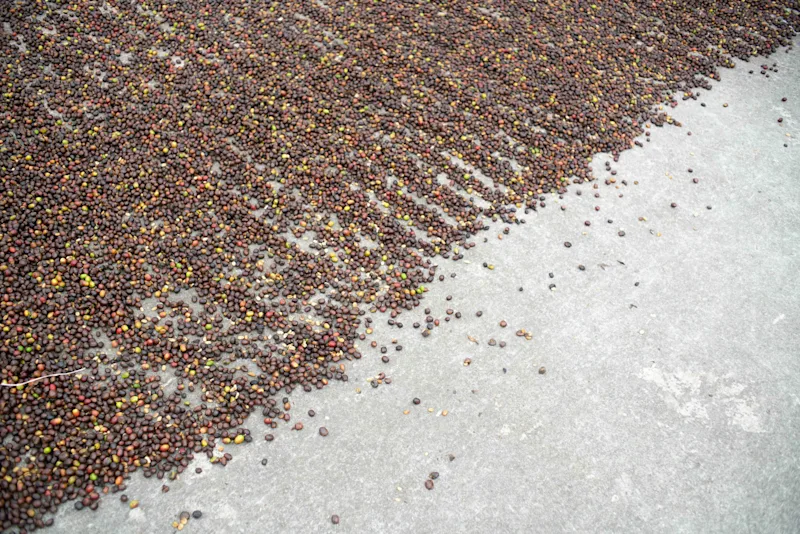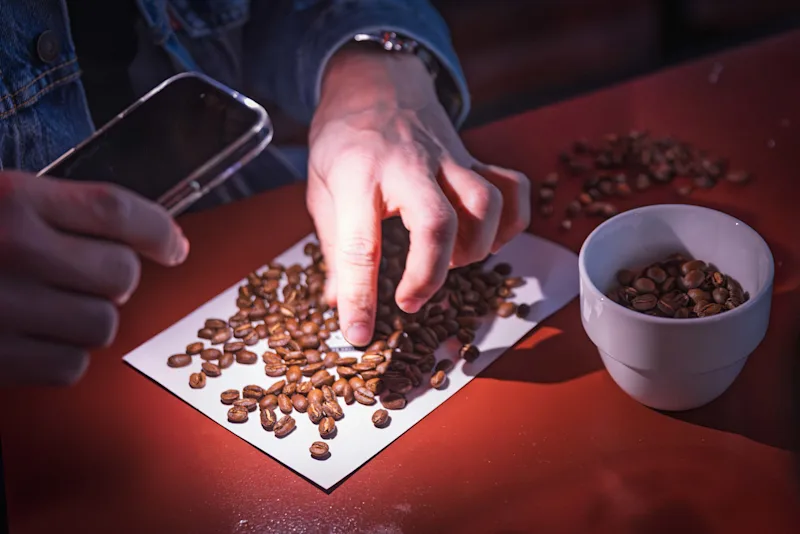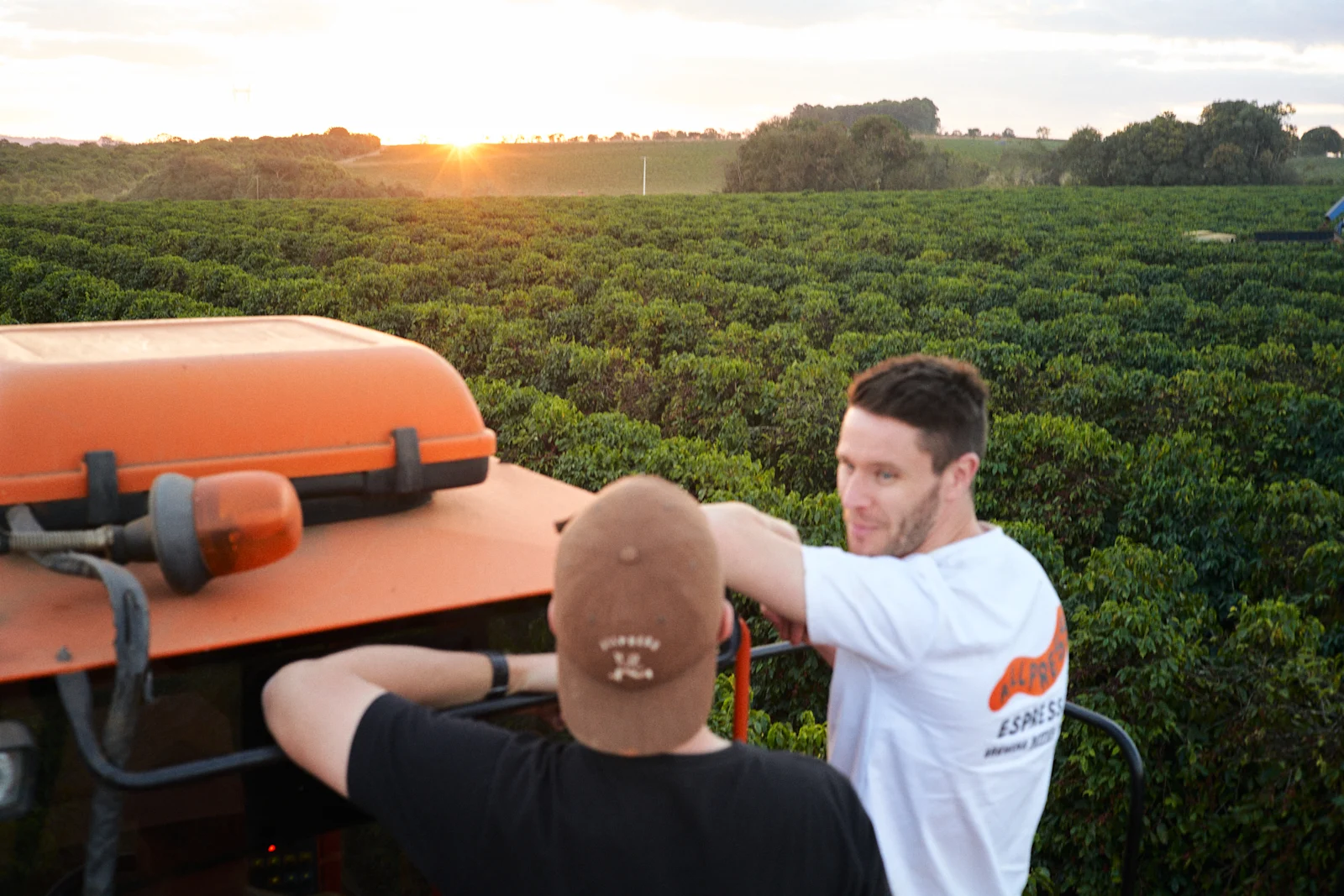
The Coffee C Market is a complicated topic but incredibly interesting; it's a good one to grasp. It’s also a very relevant topic right now, as coffee prices have been extremely volatile and are currently near all-time highs.
The Coffee C Market can seem complicated, but it’s an important (and interesting) part of how coffee is priced around the world. It’s also very relevant right now, as coffee prices have been extremely volatile and are currently near historic highs.
Understanding how the C Market works helps explain why prices move the way they do, and why those changes affect everyone in the supply chain — from farmers to roasters to cafés.
What is the “C Market”?
The C Market is a global commodity exchange where Arabica coffee futures are traded. It works in a similar way to other commodity markets, like those for oil, gold, or wheat.
Traders buy and sell futures contracts, which are agreements to buy or sell coffee at a set price for delivery at a future date. Each coffee contract represents 37,500 pounds of coffee. This is less than a full shipping container, but it is the standard unit used in the market.
The “C Price” is simply the current market price of these contracts, expressed in US cents per pound (lb). This price acts as a global reference point for many physical coffee transactions, even though most coffee is sold with additional premiums or discounts based on quality, origin, and relationships.
What about Robusta?
Robusta coffee has its own futures market, which is traded in London, while Arabica is traded in New York.
Arabica: New York Intercontinental Exchange (ICE), priced in US cents per pound
Robusta: London market (LIFFE), priced in US dollars per metric tonne
The two markets are separate, but they influence each other, especially when supply issues affect one type of coffee and buyers shift demand to the other.
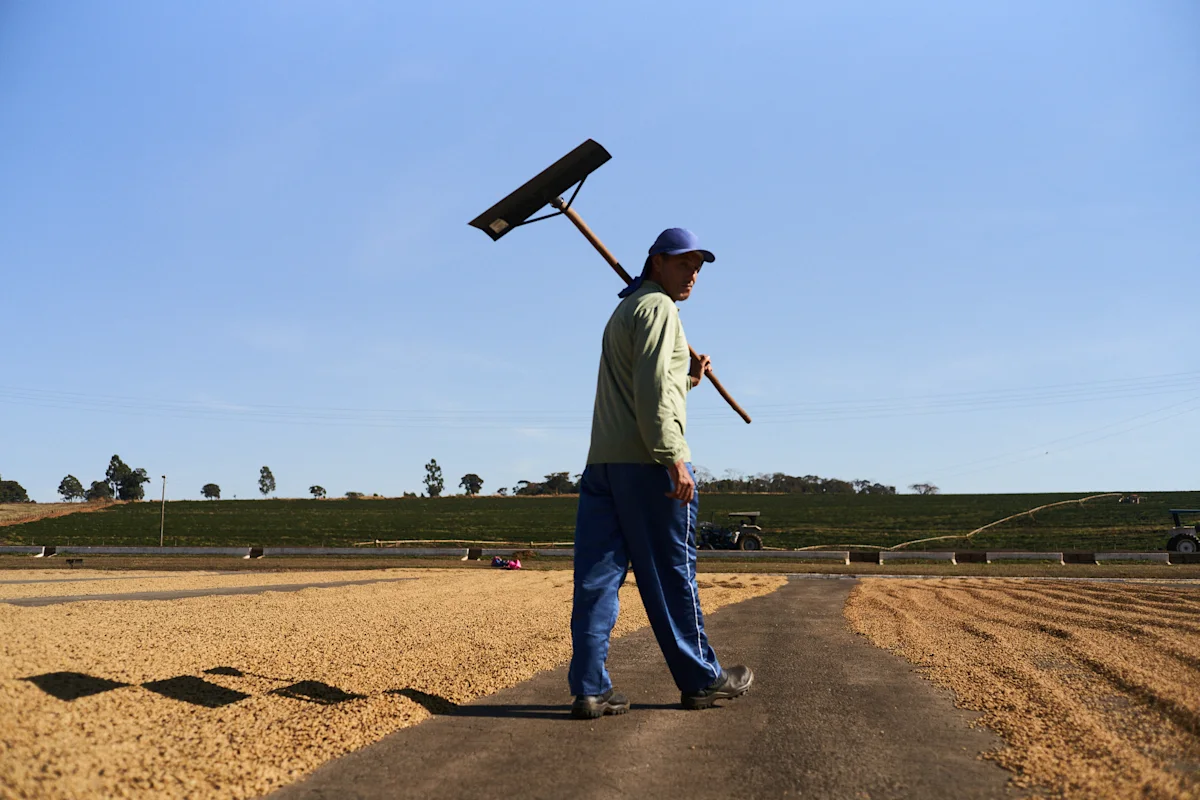

What influences the C Price?
Traditionally, the biggest driver of the C Price is supply and demand.
When there is lots of coffee available, prices usually soften. When coffee is scarce, prices tend to rise. It’s similar to how fruit prices change with the seasons — when supply is high, prices fall; when supply is tight, prices increase.
However, supply and demand are not the only factors.
A large amount of trading on the C Market is done by financial investors who never intend to take physical delivery of coffee. They trade contracts to try to make money from price movements, much like trading currencies or stocks. In recent years, large hedge funds have become more active in coffee markets, which can increase volatility.
Market sentiment also plays a big role. Prices can move sharply based on expectations about:
Frosts or droughts
Shipping disruptions
Fertiliser costs
Political instability
New regulations (such as EUDR)
Currency movements
Conflicts and wars
Sometimes prices move even if the feared event never actually happens. The market often reacts to risk and uncertainty, not just confirmed shortages.
What are “Certified Stocks”?
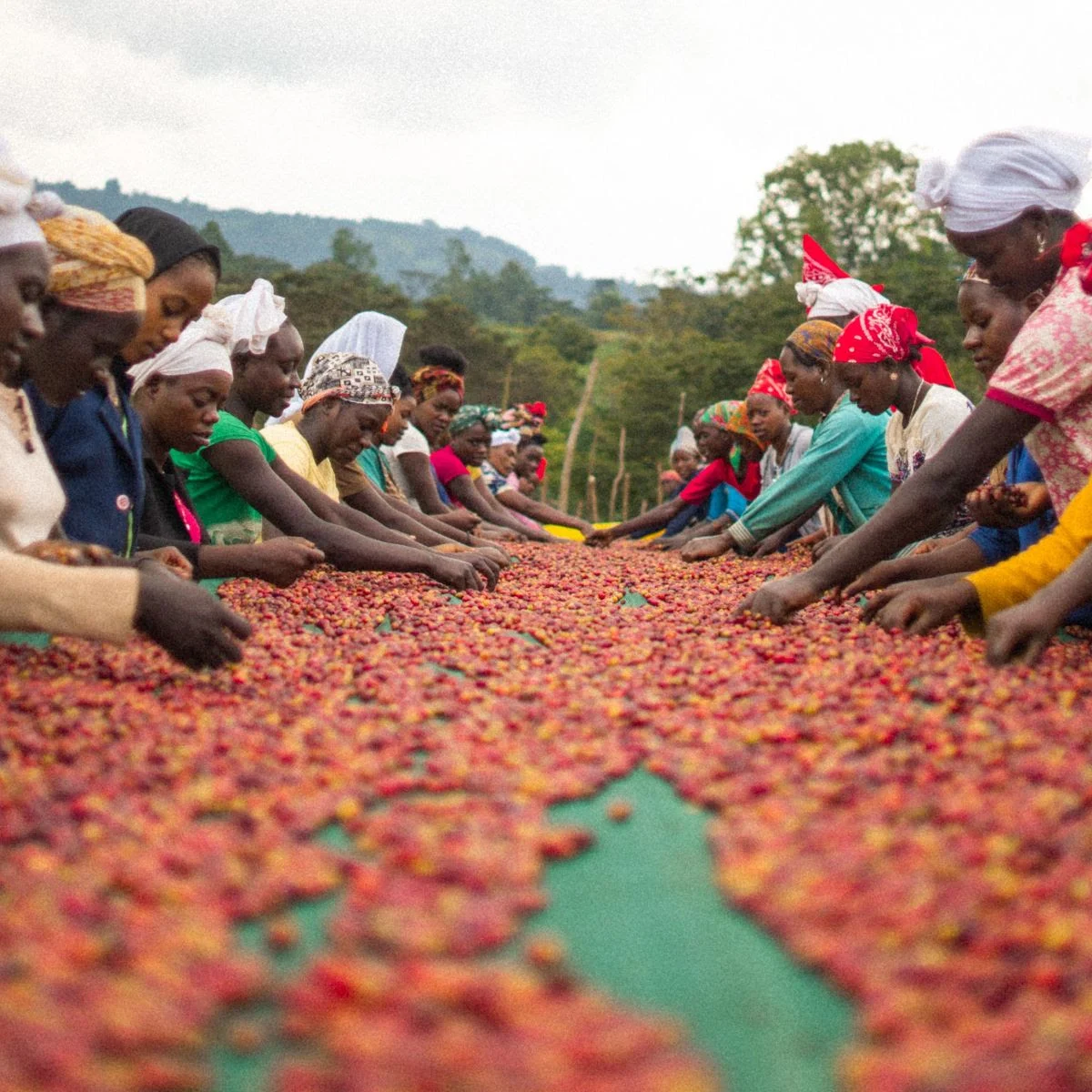
Certified stocks are physical coffee stored in warehouses approved by the exchange. This coffee can be delivered against futures contracts and helps back up the trading system with real supply. These warehouses usually hold commodity-grade coffee, which specialty roasters typically don’t buy, but large commercial buyers often do.
In normal times, certified stocks sit around 2–3 million bags globally. During Covid, when shipping became slow, expensive, and unreliable, many buyers turned to these warehouses for supply. Stocks dropped as low as 200,000 bags, which caused serious concern and helped push prices higher.
Today, certified stocks are around 850,000 bags — still lower than long-term averages, but less alarming than during the Covid period.
What is a “fair" C price?
Over the long term, the C Price has averaged around 130 US cents per pound. But averages can hide a lot of pain.
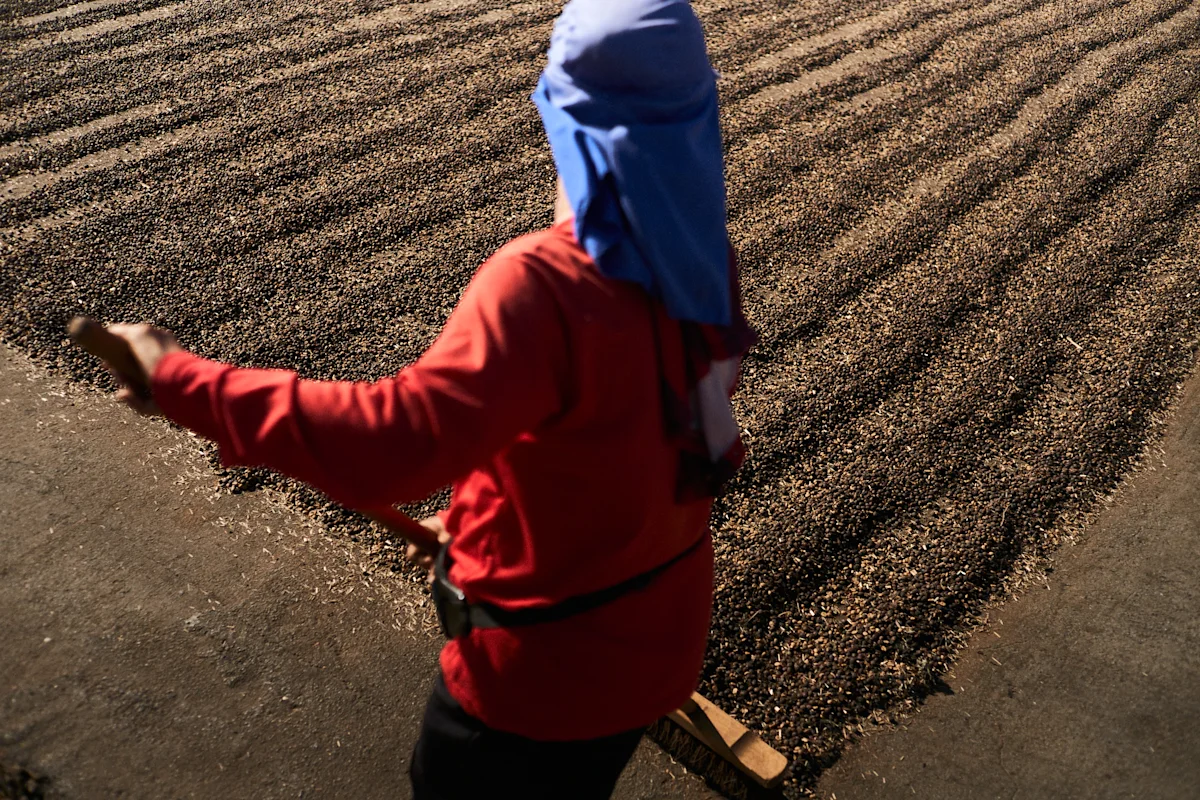
Between 2018 and 2020, prices fell as low as 88 c/lb, largely due to very large Brazilian harvests and global oversupply. During this period, many farmers were selling coffee below the true cost of production. This meant they struggled to cover basic expenses, let alone reinvest in their farms.
When prices stay too low for too long, farmers are often forced to cut back on:
Fertiliser
Pruning
Pest and weed control
Replanting ageing trees
These decisions aren’t about choice — they’re about survival — but they usually lead to lower yields and weaker plants in future seasons.
Today, prices above 300 c/lb are creating pressure on roasters and cafés. But the biggest challenge isn’t just the price level — it’s the extreme swings and sudden changes, which make it very hard for everyone to plan and budget.
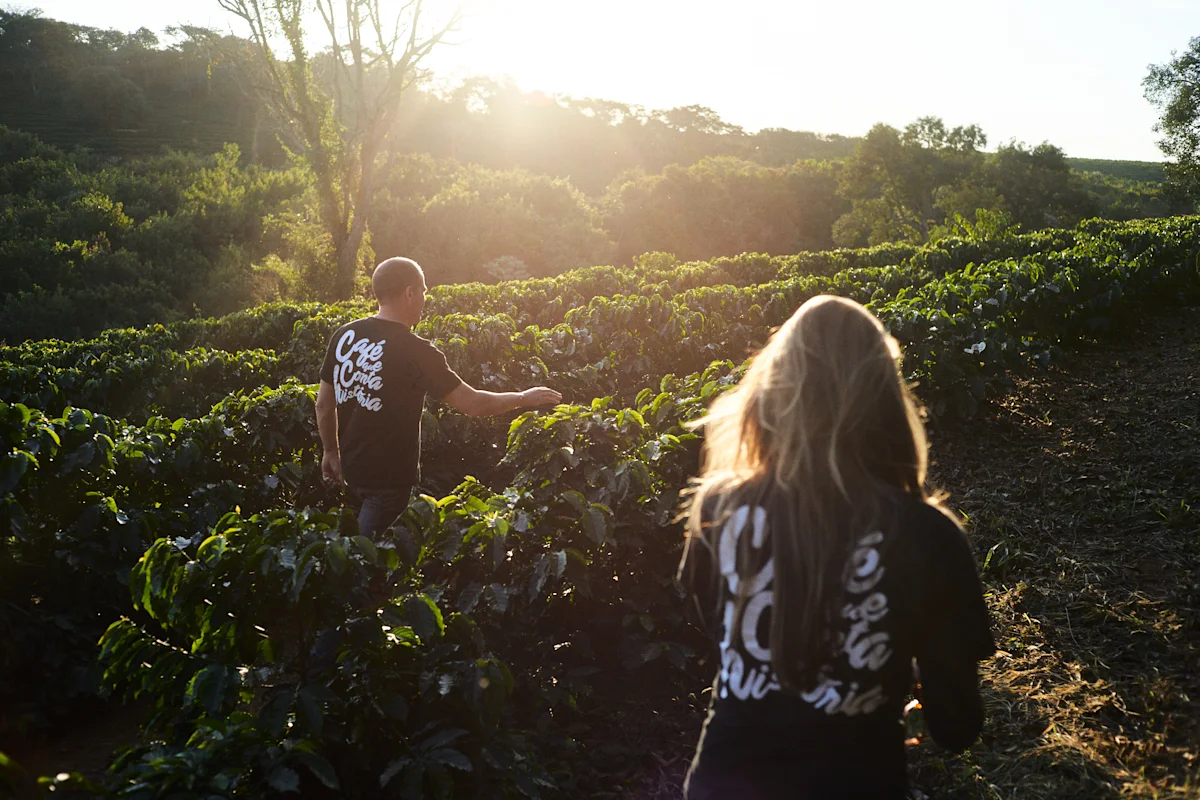
When we speak with growers and exporters, many suggest that a more stable C Price somewhere around 190–220 c/lb could support both farm sustainability and workable economics further down the supply chain. That said, there is no single cost of production that applies to every farm. Even neighbouring farms can have very different costs, yields, and access to resources.
What’s clear is that when prices are too low, farming becomes less viable, especially for small producers. This is a serious long-term issue, as the average age of coffee farmers is increasing in many countries, and younger generations are often choosing to leave farming for more stable incomes in cities.
Sustainable pricing plays an important role in keeping coffee farming attractive and viable for the next generation — which ultimately protects the future supply of coffee.
In specialty coffee, it’s also important to remember that the C Price is just the starting point. Quality premiums, certifications, and long-term relationships usually mean farmers receive more than the base market price.
What is going on with the C at the moment?
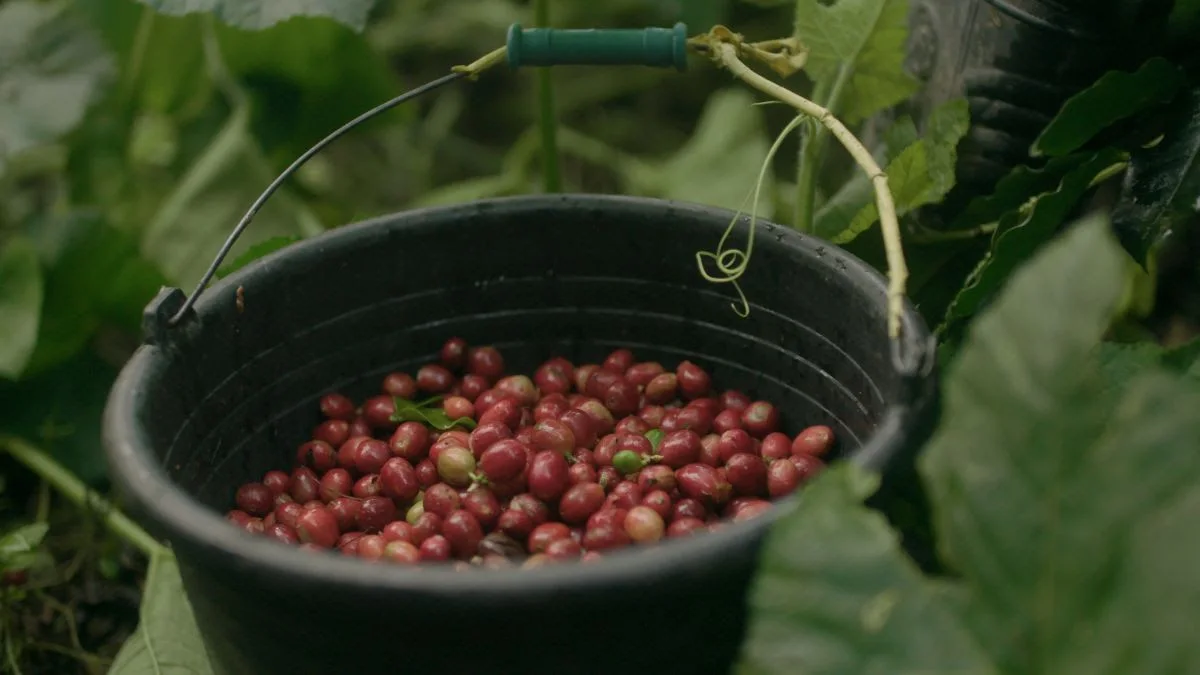
As of the end of 2024, the C Price is near a 50-year high, last seen in the late 1970s. This didn’t happen overnight — it’s the result of several years of compounding issues.
2018–2020: Prolonged low prices
As mentioned earlier, prices during this period were widely considered unsustainably low for many producers. With limited income, farmers reduced investment in their farms, which later contributed to lower productivity and vulnerability to weather events.
2020–2023: Covid, logistics, and frost
Covid created major uncertainty. Consumption patterns changed, cafés closed, and many importers found themselves holding excess stock. Then global shipping broke down — containers were scarce, vessels were delayed, and freight costs exploded.
As buyers struggled to secure physical supply, certified stocks dropped sharply, pushing prices higher.
In mid-2021, a severe frost hit Brazil. Even though much of that year’s harvest was already complete, the frost damaged future production. Expectations for the 2022 crop were revised down significantly, and prices remained elevated through 2022 and into 2023.
2024: Drought, frost fears, and delayed rains
In 2024, several new supply concerns emerged:
Severe drought in Vietnam reduced Robusta output, sending Robusta prices to record highs. This increased demand for lower-grade Arabica as substitutes.
Another frost in Brazil, while less severe than 2021, reminded the market how vulnerable production is to climate events.
Seasonal rains in Brazil arrived much later than usual, stressing coffee trees and creating uncertainty around flowering and fruit development.
Together, these factors have raised serious questions about upcoming harvests, particularly as the industry is relying on recovery in both Brazil and Vietnam to stabilise supply.
Is there hope for the future?
Yes — and history supports that.
Coffee markets move in cycles. Higher prices often lead to renewed investment in farms, which improves yields and quality in later seasons. There are also more sustainability and farm-support programs at origin today than ever before, focused on:
Improving productivity
Climate resilience
Environmental protection
Social outcomes for farming communities
It’s also important to note that Brazil and Colombia have both produced very strong crops in recent years, and not every season brings major weather disruptions. The current situation is unusual because multiple major producing countries are facing problems at the same time. That’s not something the industry expects to happen every year. While global politics, shipping, and financial markets will always add uncertainty, long-term investment at origin gives real reasons for optimism about the future of coffee supply.
What gives us confidence is the strength of our relationships across the supply chain and the growing focus on long-term sustainability at origin. These partnerships are helping ensure that great coffee — and the people who grow it — can continue to thrive for years to come.